
Vocational report writing is a powerful form of communication and can influence the degree of success for the individual for whom it is written. I love to communicate through the written word and have written many, many, many reports! Lots of blog posts too!
My Attorney Reader, I’m here to help critique and/or rebut a report that has crossed your desk that you have difficulty deciphering. And it’s many long boring pages!
The reading process is a challenge!
Do you clearly understand what the report means? Does the person it was written for understand what it means? Is it possible the report can be defended? Or should the report be ripped apart, piece by piece to get to its’ nuts and bolts and taken apart to see if it can stand up?
Rebut No Matter What!
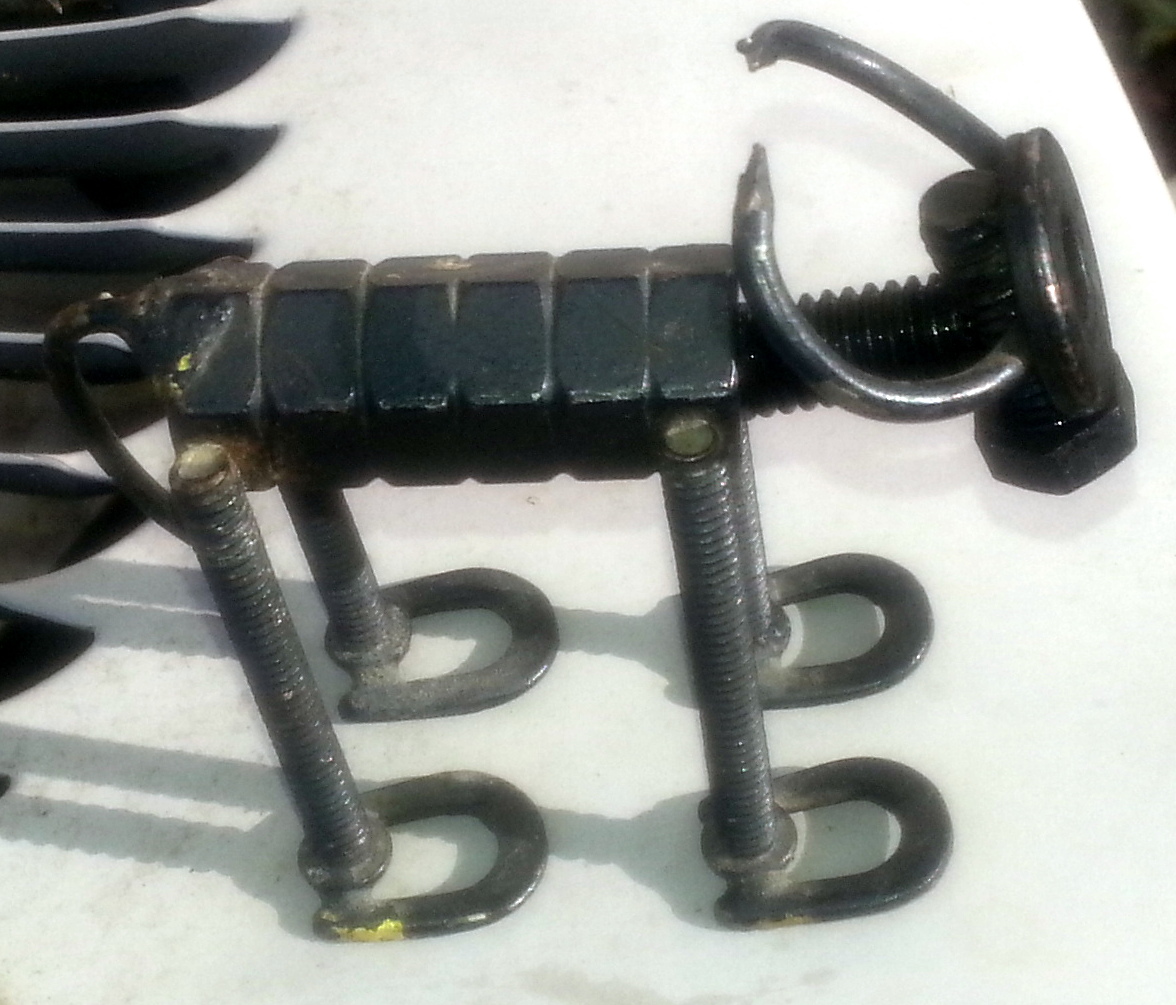
Grandpa Yearington’s Bull. Cliff knew a lot about bulls & bulls***
Let the poorly assembled report fall. A poor report stresses difficulties and does not offer recommendations. A poor report leads with weaknesses rather than strengths; deficits and negatives rather than pluses and positives. It seeks to make threats rather than suggest changes. It uses multiple words, unclear statistics, and a slick method to confuse rather than clarify. 
Simply, it’s not helpful to write a report about how bad off a person is and not include any recommendation about how to help make a positive impact on the individual’s life. Ever heard of accommodations or simply new ways to do work! A simple report written by me would make sense!
I comb through reports prepared by other professionals (using forensics!!) and try to read the contents objectively. A well written report tells a story, it flows, describes details, and makes valid and reasonable conclusions. Let me show you!
Here’s a couple run on sentence (of many) commonly found in reports I’ve critiqued over the years written by a vocational person:
“It is important to note that the purpose of all vocational testing done and reported here is to compare an individual’s current performance with their past performance as documented by their education, training, experience, and the standard worker trait factors associated with that history.”
The writer I’m referring to continues…”It is NOT correct to confuse an individual’s current test performance with performance in work prior to injury, as current performance is likely affected by the sequelae of disability.”
Say what? How does an individual’s past performance at work correlate with the specific testing administered? Did this person take these same performance tests throughout their work history and compare the results over time? No, here’s the speculation that someone cannot work because of a test.
It makes more sense to view today’s working environments, not how someone may have done a job years ago! And what’s critical in this person’s report is tossing in “standard worker trait factors” without explanation,
Again, Who’s confused about tests? The test taker? The person administering the test? I’ll tell you who…the reader!
Confusion of results goes nowhere!
To be ethically sound, I was trained to administer testing only with a direct and relative reason to do so. And to do so for each test!
I question why specific testing instruments were administered to a specific person unless the writer offers a clear explanation of what the results indicate. When results are used to portray deficits and exclude vocational activities without a deeper dive, then testing is not that helpful. The underlying use of testing results to try to prove a person is permanently and totally disabled raises many ethical questions in my mind.
Results of testing are beneficial to make valid recommendations. I’ve written about my opinion on ethics and use of testing in vocational evaluations. If you are my contact on LinkedIn, a copy is available for now.
From the evaluee’s internal point of view: A series of timed tests I had no option to take, and I didn’t and don’t understand…those results determine my fate?

10 tests in a single session!?!
This voc person continues “without testing, evaluation is merely speculative”
That is not true. I’ve evaluated and placed literally hundreds of people without administering testing! I learn about vocational backgrounds, and use evaluative expertise to simply understand the person’s transferable skills and abilities, then match those with job openings in his/her local labor market. And with lots of detail to help in the decision making process!
I do use standardized tests and offer self-assessments when appropriate for evaluative purposes. And, ahem, I do not use test results for speculation! Most importantly, does the person’s work goals make sense given the situation at hand?
Back to report writing, a specialized skill attained through continuous study, practice, and editing! A professional writer never stops training! One reason I like to blog (as opposed to heavy thinking report writing) is I’m not critiqued and can simply write for fun!
I gained natural writing talent from my Grandpa Jack, a distinguished journalist!
I get very absorbed during writing periods! My office cat will testify to that!
If your opinion on a case doesn’t mesh at all with the report on your desk, contact me to help sort out the discrepancies. If you believe in the truth, there’s a way to help show it. Again, need a critique or a rebuttal? I’m Your Person to Help!
Keep in mind I was taught that, opinions are just that, opinions. And reports are meant to answer questions, not raise more!
I can also rebut a life care plan especially if it doesn’t make a lot of sense to you!
Contact me, Amy, at vocresources@gmail.com or 515-778-0634 to discuss your case. I’m here to help attorneys help their clients on litigation involving work and disability. Thank you for reading my blog post!
___________________
My professional consulting practice focuses on helping attorneys help their clients with civil litigation matters.









I do not like to write reports but it is something that has to be done correctly. The cow is one of my most prized possession. I thought Mollie was your most important office mate. It is very important to keep a focus when writing a report or a Work Discrepancy Analysis.
Great Article.
Randall Botkin (I love you)